



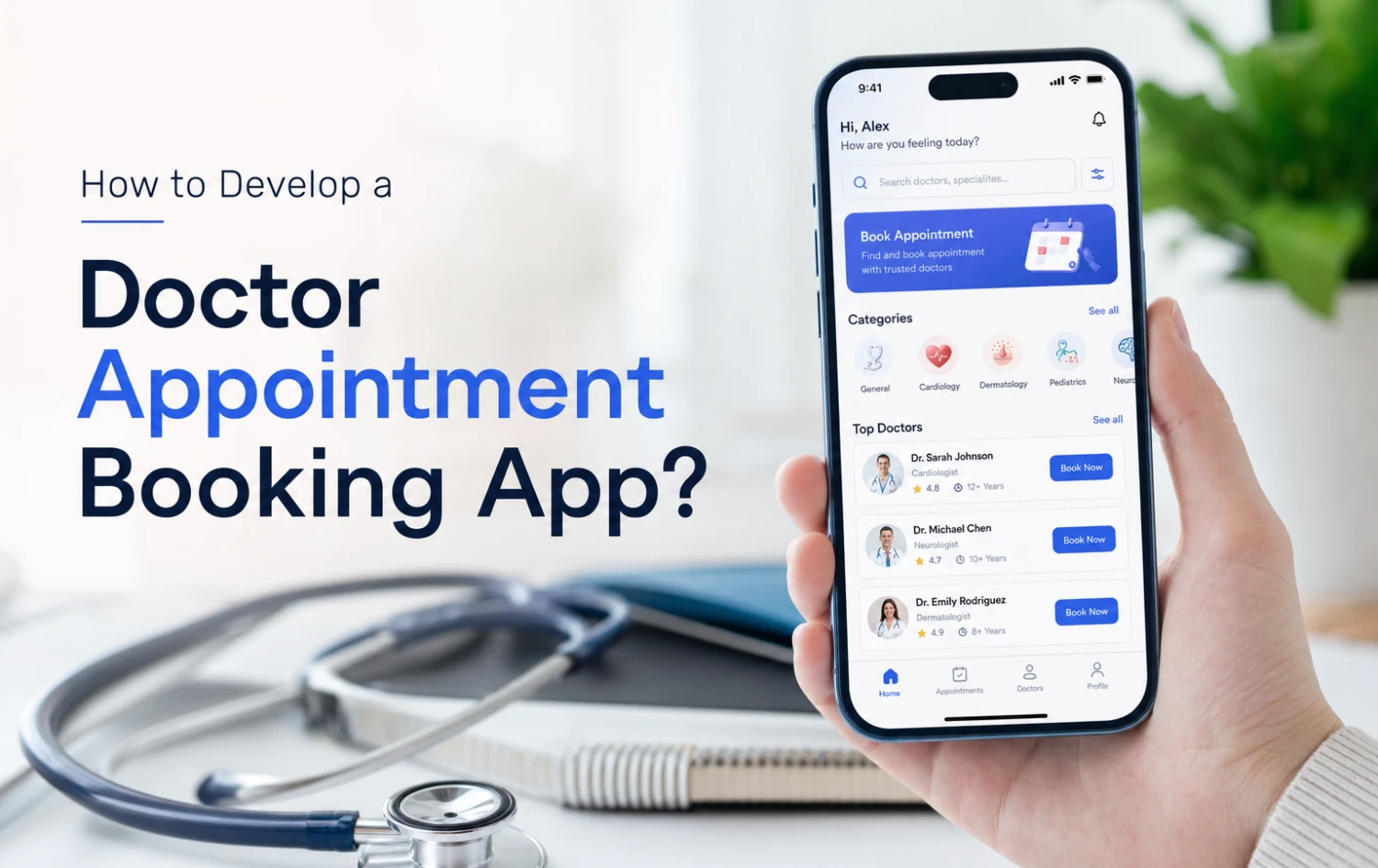
Introduction
In today’s fast-paced world, the healthcare industry is increasingly leveraging technology to enhance patient experiences. One of the most beneficial innovations in this sector is the development of doctor appointment booking apps. These applications streamline the process of scheduling appointments, reducing wait times and improving accessibility for patients. If you're looking to create a doctor appointment booking app, this comprehensive guide will walk you through the essential steps and considerations needed to develop a successful application.
Understanding the Market
Before diving into the development process, it's crucial to understand the market dynamics. The demand for telehealth services has surged, especially post-pandemic, leading to an increase in the popularity of appointment booking apps.
Market Research
Conduct thorough market research to identify your target audience. Are you focusing on general practitioners, specialists, or both? Understanding your target demographics will help you design features that cater specifically to their needs.
Competitor Analysis
Analyze existing applications in the market. Identify their strengths and weaknesses, and discover gaps that your app can fill. Popular competitors include Zocdoc, Healthgrades, and MyChart. Note their user interface, functionality, and user feedback.
Essential Features of a Doctor Appointment Booking App
Once you have a clear understanding of the market, the next step is to outline the essential features your app should include.
User Registration and Profiles
Allow users to create accounts and maintain profiles. This feature should include:
- Personal Information: Name, contact details, insurance information.
- Medical History: Relevant medical records and allergies.
- Payment Information: Secure storage for payment methods.
Appointment Scheduling
Implement an intuitive scheduling interface that allows users to:
- Select available doctors based on specialty and location.
- View and choose available time slots.
- Receive instant confirmations and reminders.
Calendar Integration
Integrate with popular calendar applications (Google Calendar, Outlook) to allow users to sync their appointments and receive notifications.
Telemedicine Features
Incorporate telehealth options, enabling users to schedule virtual consultations, enhancing convenience and accessibility.
Ratings and Reviews
Implement a review system where patients can rate their experiences. This feedback loop will not only help other users but also provide valuable insights for continuous improvement.
Admin Dashboard
Create a robust admin panel for healthcare providers to manage appointments, view analytics, and respond to patient inquiries.
Choosing the Right Technology Stack
Your choice of technology will significantly impact your app’s performance and scalability. Consider the following:
Frontend Development
Popular frameworks like React Native or Flutter offer excellent support for cross-platform app development, ensuring that your app runs smoothly on both iOS and Android devices.
Backend Development
Choose a reliable backend technology such as Node.js or Django. Ensure your backend can handle large volumes of data and user requests efficiently.
Database Management
Utilize secure and scalable database solutions like PostgreSQL or MongoDB to manage user data and appointment records securely.
Designing a User-Friendly Interface
The interface of your app plays a crucial role in user engagement. Focus on:
Simplicity and Clarity
Design a clean and intuitive interface that allows users to navigate effortlessly. Use recognizable icons and clear call-to-action buttons.
Accessibility
Ensure your app is accessible to all users, including those with disabilities. Consider color contrast, font sizes, and alternative text for images.
Responsive Design
Your app should be responsive, providing a seamless experience across devices and screen sizes.
Security and Compliance
Given the sensitivity of healthcare data, prioritize security by implementing:
Data Encryption
Utilize SSL encryption to protect user data during transmission.
Compliance with Regulations
Ensure your app complies with regulations such as HIPAA (Health Insurance Portability and Accountability Act) in the U.S. to protect patient information.
Testing Your Application
Before launching your app, conduct comprehensive testing to identify and fix any bugs. Focus on:
User Acceptance Testing (UAT)
Involve real users to test the app’s functionality and usability.
Performance Testing
Assess how your app performs under various conditions, especially during peak times.
Launching and Marketing Your App
Once your app is ready, plan a strategic launch. Consider the following:
App Store Optimization (ASO)
Optimize your app store listing with relevant keywords, compelling descriptions, and appealing screenshots to improve visibility.
Social Media Marketing
Leverage social media platforms to create buzz around your app. Engage with potential users through targeted ads and informative content.
Conclusion
Developing a doctor appointment booking app is a multifaceted process that requires careful planning, execution, and continuous improvement. By understanding market needs, incorporating essential features, and adhering to security standards, you can create an app that not only meets the demands of modern healthcare but enhances patient experiences significantly. As the healthcare landscape continues to evolve, your app can play a crucial role in transforming how patients connect with healthcare providers.
Frequently Asked Questions (FAQ)
1. What is a doctor appointment booking app?
A doctor appointment booking app allows patients to schedule appointments with healthcare providers via their smartphones or computers, streamlining the process of finding and booking medical services.
2. How much does it cost to develop a booking app?
The cost of developing a booking app varies based on factors such as design complexity, feature set, and technology stack. On average, it can range from $30,000 to $150,000.
3. How can I ensure my app is secure?
Implement data encryption, follow best practices for security, and comply with relevant regulations like HIPAA to protect user data.
4. What platforms should I target?
Consider developing your app for both iOS and Android platforms to maximize your potential user base.
5. How do I market my appointment booking app?
Utilize social media marketing, influencer partnerships, and search engine optimization (SEO) strategies to effectively promote your app.
Comments (0)
No comments yet. Be the first to start the conversation!
Leave a Comment