



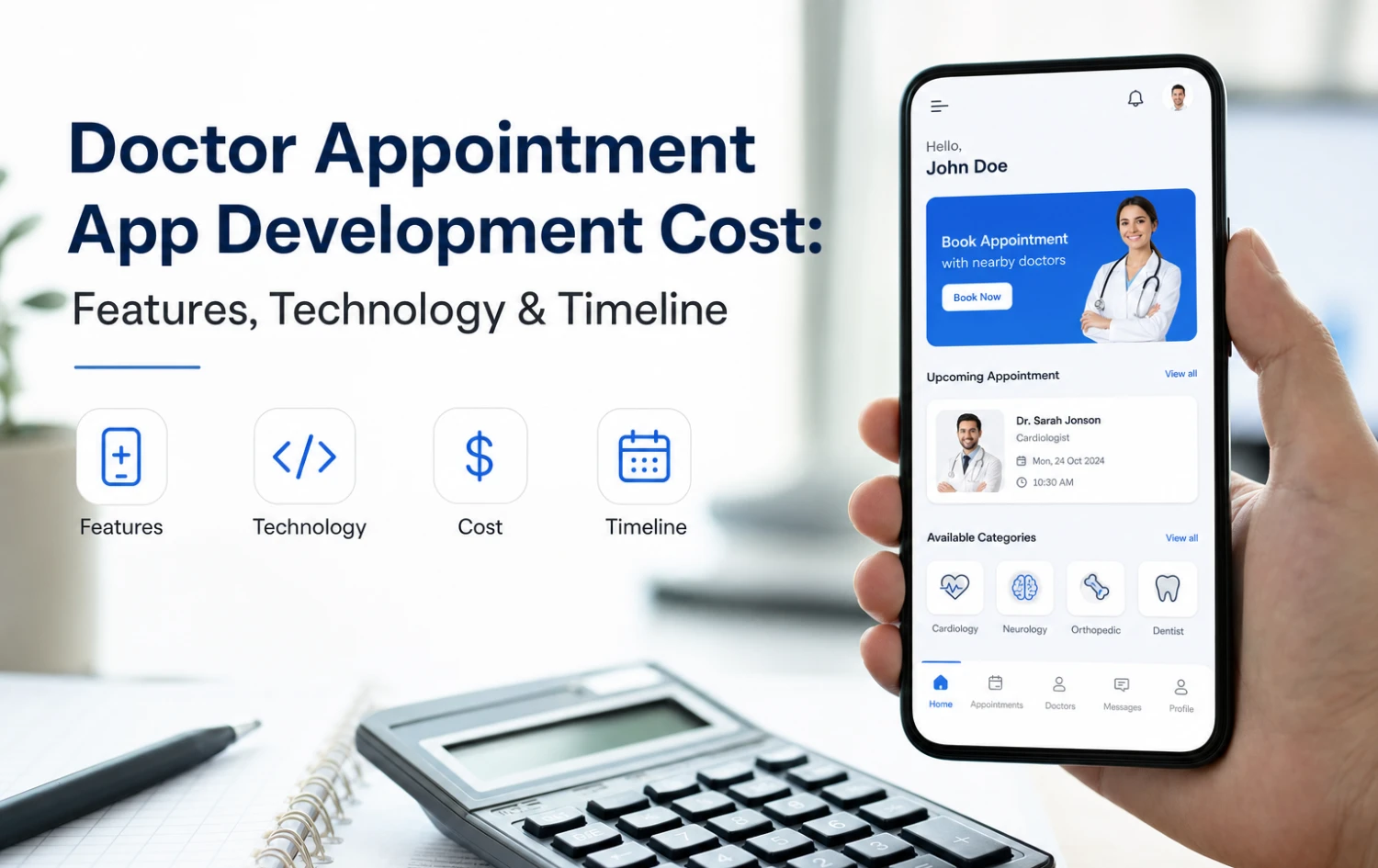
Doctor Appointment App Development Cost: Features, Technology & Timeline
In today's fast-paced world, the healthcare industry is increasingly turning to technology to improve patient care and streamline operations. One of the most significant advancements in this sector is the development of doctor appointment apps. These applications not only facilitate easy scheduling of appointments but also enhance communication between patients and healthcare providers. In this comprehensive guide, we will explore the various aspects of doctor appointment app development, including costs, essential features, technological considerations, and expected timelines.
Understanding the Importance of Doctor Appointment Apps
As the demand for healthcare services grows, so does the need for efficient management of appointments. Doctor appointment apps serve as a bridge between patients and healthcare providers, reducing wait times and improving overall satisfaction. With the integration of features such as online booking, reminders, and telemedicine, these apps are becoming indispensable tools in modern healthcare.
Key Features of a Doctor Appointment App
When developing a doctor appointment app, it is crucial to incorporate features that enhance user experience and functionality. Below are some of the essential features that should be considered:
- User Registration and Profile Management: Users should be able to create and manage their profiles, including personal information, medical history, and preferences.
- Appointment Scheduling: A robust calendar feature allowing users to book, reschedule, or cancel appointments easily.
- Reminders and Notifications: Automated reminders via push notifications or SMS to reduce no-show rates.
- Telemedicine Integration: Options for virtual consultations, allowing patients to connect with doctors remotely.
- Payment Processing: Secure payment gateways for hassle-free transactions.
- Reviews and Ratings: Users should be able to leave feedback on their experiences with healthcare providers.
- Search and Filter Options: Advanced search functionality to find doctors based on specialty, location, and availability.
- Health Records Management: Easy access to personal health records, prescriptions, and lab results.
Technological Considerations for App Development
The technology stack you choose for developing a doctor appointment app significantly influences its performance, scalability, and security. Here are some key technologies to consider:
- Frontend Development: Technologies like React Native, Flutter, or Angular can be utilized for a responsive and user-friendly interface.
- Backend Development: Node.js, Python, or Ruby on Rails can be employed to handle server-side logic and database management.
- Database Solutions: Consider using MySQL, PostgreSQL, or NoSQL databases like MongoDB for storing user data securely.
- Cloud Services: Platforms such as AWS or Google Cloud can provide scalable infrastructure and services for hosting your app.
- Security Measures: Implementing HTTPS, data encryption, and compliance with regulations like HIPAA is critical to protect patient information.
Cost of Doctor Appointment App Development
The cost to develop a doctor appointment app can vary widely based on several factors, including complexity, features, platform (iOS, Android, or both), and development team location. On average, you can expect:
- Basic App: $15,000 - $30,000 for essential features like appointment scheduling and user registration.
- Moderate App: $30,000 - $50,000 for additional features such as telemedicine integration and payment processing.
- Advanced App: $50,000 - $100,000+ for complex features like health records management and extensive backend integration.
Additional costs may arise from ongoing maintenance, updates, and marketing efforts, which should be factored into your budget.
Development Timeline
The timeline for developing a doctor appointment app can vary depending on the scope of the project. Here’s a general breakdown:
- Planning and Research: 2-4 weeks for market research and defining project scope.
- UI/UX Design: 3-6 weeks for creating wireframes and prototypes.
- Development: 8-16 weeks, depending on the complexity of features.
- Testing: 4-6 weeks for thorough testing and bug fixing.
- Deployment: 1-2 weeks for launching the app on app stores.
Overall, the entire process can take anywhere from 3 to 6 months.
Conclusion
Developing a doctor appointment app is a significant investment that can yield substantial returns in terms of improved patient satisfaction and operational efficiency. By understanding the costs, essential features, and technological requirements involved in the development process, stakeholders can make informed decisions that align with their goals. As healthcare continues to evolve, embracing technology is no longer optional but a necessity to stay competitive in the industry.
Frequently Asked Questions (FAQ)
1. What are the primary benefits of a doctor appointment app?
A doctor appointment app simplifies the scheduling process, reduces no-show rates, enhances patient engagement, and provides easy access to health records and telemedicine services.
2. How long does it take to develop a doctor appointment app?
Development timelines can range from 3 to 6 months, depending on the complexity of features and the development process.
3. What technologies are best for building a doctor appointment app?
Technologies like React Native for frontend and Node.js for backend development are popular choices. Additionally, cloud services like AWS can enhance scalability and performance.
4. How much does it cost to develop a doctor appointment app?
Costs can vary significantly, from $15,000 for a basic app to over $100,000 for a more advanced application with multiple features.
5. How can I ensure my app complies with healthcare regulations?
It is essential to consult with legal experts and integrate necessary security measures such as data encryption and HIPAA compliance protocols during the development process.
Comments (0)
No comments yet. Be the first to start the conversation!
Leave a Comment